Press Record, Look Sad, Repeat: How the Influencer Apology Video Became Its Own Genre of Fiction
Scene One: The Bare Face, the Dim Room, and the Carefully Placed Tissues
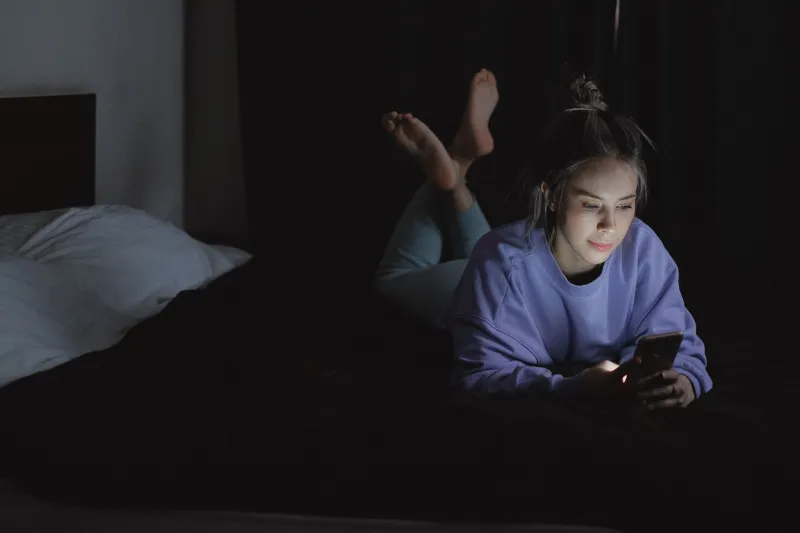
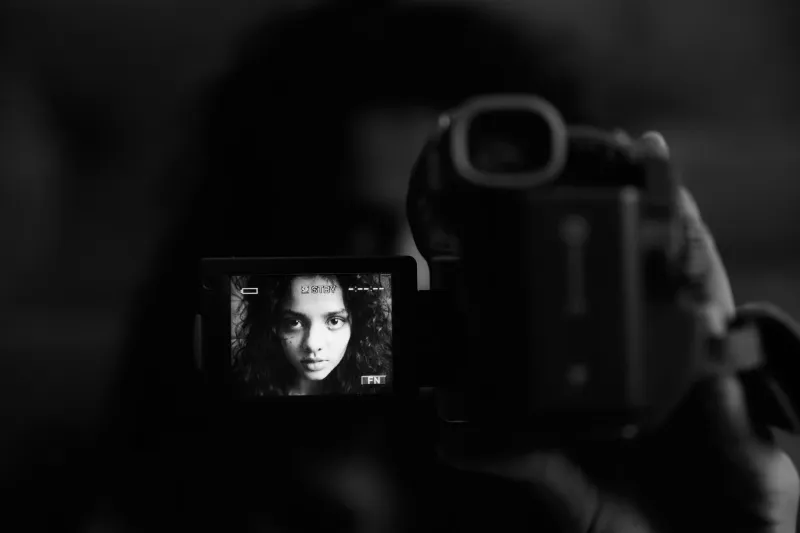
Let me paint you a picture. A creator you've been following for years suddenly goes quiet. Their last upload sits at a suspicious comment-to-like ratio. Twitter — sorry, X — is doing what it does best. Then, about 72 hours later, a new video drops. No thumbnail text. Just their face. Maybe a hoodie. Definitely no ring light set to full brightness, because that would feel too put-together, and we can't have that.
Welcome to the Creator Apology Video Industrial Complex — a genre so polished it makes Hollywood look improvised.
I've watched more of these things than I care to admit, and at this point I could produce one in my sleep. There's a formula, and it is airtight. We're talking tighter than a Marvel movie structure. And yet, every single time one drops, a chunk of the internet gasps like it's the first time they've ever seen someone cry in 1080p.
So let's break it down, because honestly? We deserve to understand what's being done to us.
The Anatomy of the Standard-Issue Apology Drop
Step one is always the cold open of ambiguity. The creator starts talking before they explain what they're actually apologizing for. "I've been sitting with this for a few days and I just knew I needed to talk to you guys." Cool. About what, though? This vagueness is intentional — it gives the creator control over the framing before the audience can bring their own context.
Step two is the I'm not making excuses, but here are my excuses section. This is where childhood trauma, mental health struggles, or a rough personal period gets introduced. None of those things are inherently invalid, by the way. Real people have real context. But the timing — deployed specifically to soften accountability — is where it starts feeling less like vulnerability and more like strategy.
Step three: the pivot to the victim lane. Somewhere around the four-minute mark, the apology quietly becomes about how hard this has been for them. The harassment they've received. The sleepless nights. Their family being affected. And look — online harassment is genuinely awful. But there's something slippery about a video that starts as an apology and ends with the audience comforting the apologizer.
Step four is the vague promise of growth. "I'm working on myself." "I've been talking to people I trust." "I'm going to do better." No specifics. No timeline. No accountability structure. Just vibes and forward momentum.
And then step five: the upload and wait. Post it, go quiet for a week, come back with a regular video, and hope the algorithm has already buried the drama under a fresh news cycle.
Why Does It Keep Working?
Here's the part that actually fascinates me — and honestly, the part I think about the most.
We know the script. Audiences in 2025 are media-literate in ways that would've seemed wild ten years ago. People can identify parasocial manipulation, they write Reddit threads dissecting apology video body language, they literally have bingo cards for this stuff. And yet the view counts on these videos are always massive. The comment sections fill up with "I'm proud of you for speaking your truth" within hours.
So what's happening?
Part of it is that emotional investment is hard to logic your way out of. When you've watched someone's daily life for three years, your brain has built a relationship with them whether you consented to it or not. Seeing them distressed triggers a real response. The parasocial bond doesn't care that you know the lighting was chosen deliberately.
There's also the communal aspect. Watching an apology video becomes a shared cultural event — everyone's in the comments together, everyone's forming opinions in real time. It's participatory in a way that scratches a very human itch for collective processing.
And honestly? Some people just want to forgive. The apology video gives them permission. It's closure-shaped content, even when it's hollow.
The Rare Exception That Proves the Rule
Every now and then, someone actually does it differently — and the contrast is almost jarring.
A genuine apology in the creator space looks boring, actually. It's specific. It names the harm without burying it under personal narrative. It doesn't ask for sympathy or try to reframe the audience as participants in the creator's healing journey. It says: here is what I did, here is why it was wrong, here is what I'm changing — and then it ends. No dramatic music swell. No lingering close-up.
Those videos don't go viral the same way. They don't generate the same emotional wave. And that tells you something pretty uncomfortable about what we actually reward as an audience.
What the Format Costs Everyone
The apology video industrial complex isn't just a quirky internet phenomenon — it has real effects on how accountability functions in the creator economy.
When the formula works often enough, creators learn that performance is sufficient. You don't have to change; you just have to seem changed convincingly enough to ride out the cycle. That raises the cost for creators who genuinely want to do better, because now they're operating in a landscape where sincerity and performance look identical on camera.
It also trains audiences to accept the performance as the product. We get the emotional catharsis of an apology without any of the structural change that would make it meaningful. Everyone moves on. The same behavior resurfaces six months later. Rinse, repeat.
And look — I'm not sitting here pretending I haven't watched every single one of these videos the moment they drop. I absolutely have. There's something almost irresistible about them, and I think that's exactly worth naming.
So What Would Actually Be Different?
If I'm being real with you, I think the most radical thing a creator could do in the middle of a controversy is... not post a video. Take the time to actually reckon with what happened without performing the reckoning for an audience. Make changes that show up in behavior over time rather than in a 10-minute upload.
Because here's the thing — an apology that requires an audience to witness it isn't really for the people who were harmed. It's a content format. And we've all gotten so used to it that we've started mistaking the content for the accountability.
Next time one drops, maybe watch it with that in mind. Notice the structure. Notice the moment it pivots. Notice how you feel after — and whether anything actually changed.
Spoiler: probably not. But at least you'll see it clearly.