Why Are We More Invested in Our Favorite Creator's Relationship Than Our Own?
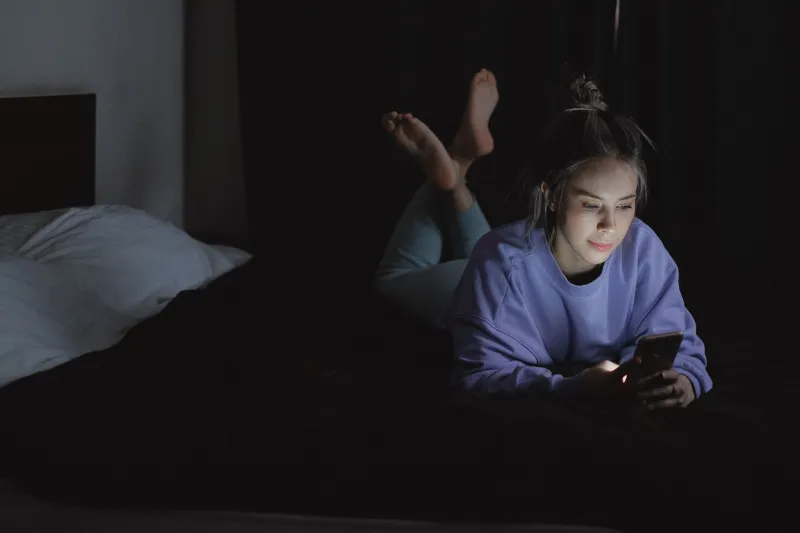
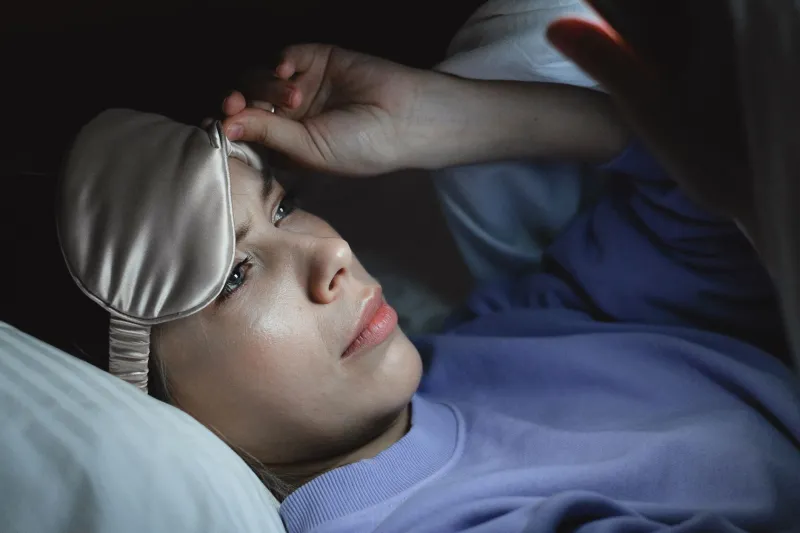
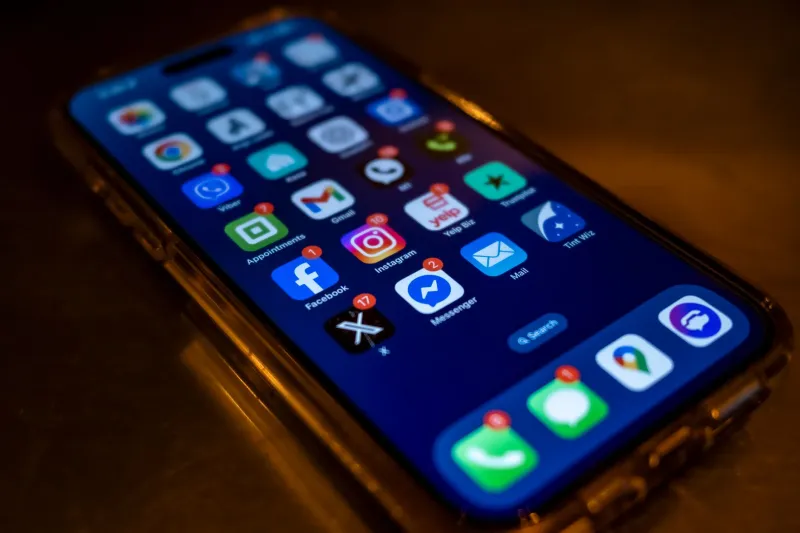
Okay, real talk. Have you ever caught yourself refreshing a creator's Instagram at midnight, not because you were waiting for a new video, but because you needed to know if they were still with that guy from the beach vlog? No judgment here — genuinely, none — because if you've done it, you are in extremely good company.
The way audiences latch onto creators' love lives has become one of the most fascinating, slightly chaotic social phenomena of the streaming era. We collectively root for couples we've never met in person. We feel genuine heartbreak when a fan-favorite pair splits. We form Reddit threads, TikTok stitch chains, and Discord servers dedicated to analyzing whether a creator's latest video had "post-breakup energy." And somewhere in the middle of all of it, a lot of us have to quietly admit: we might be more emotionally available for their relationship than we are for our own.
So what is actually going on here?
The Intimacy Illusion Is Very, Very Good at Its Job
Here's the thing about watching someone's content regularly — your brain doesn't fully register that the relationship is one-directional. Creators talk directly into the camera. They share morning routines, vulnerable 3 a.m. thoughts, fights with family members, and first-date anxiety. Over time, your brain starts filing that person under "people I actually know," which is the same cognitive category as your best friend or your college roommate.
This is the parasocial relationship in action, and it's not a character flaw. It's just how human brains are wired. We're social creatures who evolved to build emotional bonds through repeated exposure and shared experience. Content does that artificially but effectively.
When that "person you know" starts dating someone new, of course you have feelings about it. Of course you're curious. Of course you have opinions. Because in your brain's filing system, this is basically your friend's new partner — and you haven't even met them yet.
Romance Content Hits Different When It Feels Real
There's a reason reality TV has been a cultural institution for decades. The Bachelor, Love Island, Too Hot to Handle — we are endlessly drawn to watching real (or real-ish) people navigate romance in real time. Creator relationship content scratches that exact same itch, except it's woven into content you already consume for other reasons.
You weren't necessarily tuning in for the love story. You were there for the makeup tutorials or the travel vlogs or the commentary videos. But then the relationship became part of the narrative, and suddenly you're emotionally invested in a storyline you didn't sign up for — and you kind of love it.
The difference between a creator's relationship and a reality TV couple, though, is stakes. Reality TV contestants are performing for a show. Creators are (ostensibly) just... living their lives and letting you watch. That perceived authenticity makes the emotional investment feel more justified, even when the line between curated content and genuine private life is blurrier than we'd like to admit.
The Comment Section Becomes a Collective Experience
One thing that makes creator romance drama so uniquely consuming is that it's communal. You're not just watching — you're watching with thousands of other people who are equally invested. The comment section becomes a real-time group chat. TikTok stitches create ongoing conversations. Twitter threads turn into collaborative detective work.
That shared experience amplifies everything. When a creator couple posts a cozy anniversary video, the collective "awws" in the comments make the moment feel bigger. When breakup rumors start circulating, the collective anxiety creates a kind of ambient emotional noise that's hard to ignore even if you try.
This is parasocial fandom operating at a community level, and it's genuinely powerful. It can feel like belonging to something — a group of people who care about the same story, rooting for the same outcome. That sense of shared investment is its own reward, separate from the creator's actual relationship.
What It Says About How We Think About Love Right Now
Here's where it gets a little more interesting and maybe a little more uncomfortable. A lot of psychologists who study parasocial behavior suggest that the intensity of our investment in creators' relationships can sometimes be inversely proportional to our satisfaction with our own romantic lives.
When your own love life feels messy, stagnant, or just kind of disappointing, watching someone else's relationship — especially one that's been idealized through careful content creation — can feel like a safer emotional outlet. You get the warmth and the excitement without the vulnerability or the risk of getting hurt yourself.
That's not necessarily a red flag. Escapism is a completely normal human behavior. But it's worth noticing when the line starts to blur — when you feel more emotionally activated by a creator's situationship than by your own, or when a creator's breakup genuinely ruins your week in a way that your friend's breakup wouldn't.
We're also living in a cultural moment where traditional relationship milestones feel increasingly complicated and uncertain for a lot of people in their 20s and 30s. Dating apps are exhausting. The economy makes commitment feel harder. When creators model relationships publicly — even imperfectly — it gives audiences a framework to think about what they want, what they're afraid of, and what they believe love is supposed to look like.
The Creator's Side of the Equation
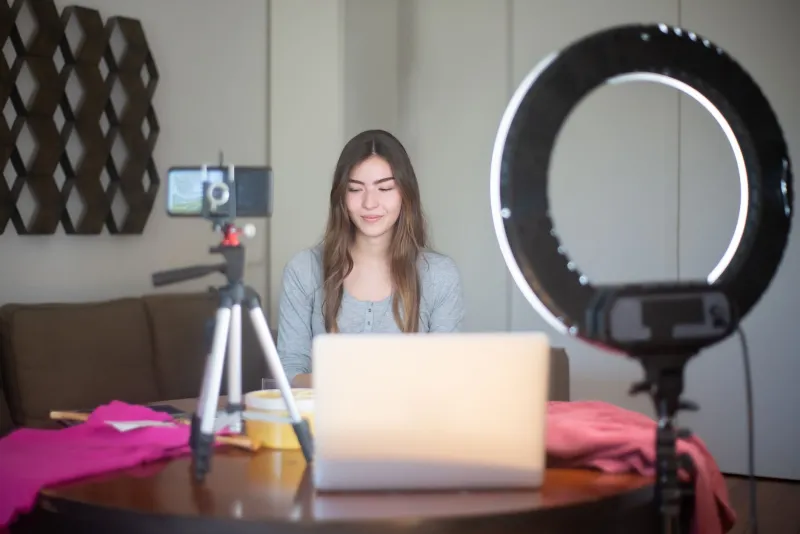
It's worth pausing to acknowledge that this dynamic isn't always comfortable for the people on the other side of the camera. Creators who share their relationships publicly often find that the audience's investment can tip into something that feels possessive or overwhelming.
Fans who feel like they know a creator sometimes feel entitled to information about the relationship — updates, explanations, reassurances. When a creator goes quiet about a partner, the speculation machine kicks into overdrive. When they announce a breakup, the comment section can become a space that's as much about the audience's grief as it is about the actual person going through a hard time.
Some creators have started drawing harder lines around relationship content specifically because of how intense the audience response can get. Others lean into it, recognizing that relationship content drives engagement like almost nothing else. Both approaches are valid, but they're both responses to the same underlying truth: once you let an audience into your love life, they don't really let go.
So... Is This a Problem?
Honestly? Not inherently. Caring about the people whose content you consume is a natural extension of enjoying that content. The parasocial bond isn't something to be ashamed of — it's a testament to how genuinely good creators are at making you feel connected to them.
But like most things, self-awareness goes a long way. It's fine to be rooting for your favorite creator's relationship. It's worth checking in with yourself if that investment starts to feel more real or more urgent than the relationships in your own actual life.
Because at the end of the day, you deserve a love story you're actually in — not just one you're watching from the comment section.
And yes, I say that fully knowing I have opinions about at least three creator couples right now. We contain multitudes.