Paying for the 'Real' Them: What Happens When Your Favorite Creator Puts Intimacy Behind a Paywall
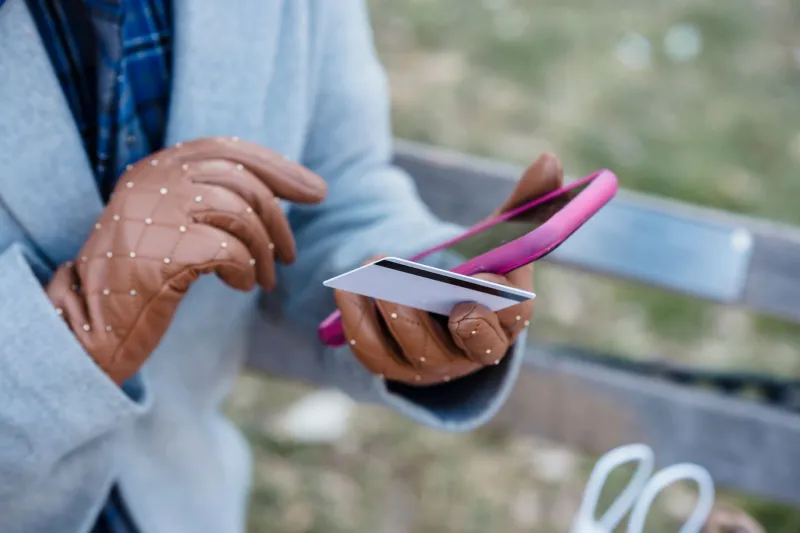
Okay, real talk. You've been watching someone for two years. You know their coffee order, their cat's name, the ex they never fully got over. You've laughed at their jokes, cried at their vlogs, and defended them in comment sections at 1 a.m. like it was your job. And then one day they drop a Patreon, a premium Discord tier, or a subscription channel — and suddenly, that version of them costs $14.99 a month.
Welcome to the new frontier of creator monetization, where intimacy isn't just a byproduct of content. It's the product.
The Pitch Is Always the Same
If you've spent any time on YouTube, TikTok, or Twitch lately, you've seen the rollout. A creator goes live, looks directly into the camera with that practiced vulnerability, and says something like: "I want to give you guys something more real. Something I can't post publicly." Cue the link to their Patreon, their OnlyFans (not always what you think), their Substack, their private Discord with five tiers ranging from "Supporter" to "Inner Circle."
The promise is always closeness. Behind-the-scenes footage. Raw, unedited thoughts. Q&As where they actually answer. The version of them that the algorithm doesn't get to see.
And honestly? It's a compelling pitch. Because after years of parasocial investment, the idea that you could get more — the real, messy, unbranded version — feels like a reward for your loyalty.
But Here's the Thing Nobody Says Out Loud
The "unfiltered" version is still filtered. It has to be. The moment a creator decides what goes into a paid tier, they're curating. They're producing. They're performing a version of authenticity that has been deliberately packaged and priced.
That's not a callout — it's just the reality of how content creation works. Creators are, by definition, people who have learned to translate their lives into consumable media. You can't just turn that off because someone paid $9.99. The camera is still on. The audience is still there. The dynamic doesn't fundamentally change just because Venmo was involved.
What does change is the stakes. Because now fans aren't just emotionally invested — they're financially invested. And that shift does something interesting to the parasocial relationship.
Money Changes the Feeling, Even If It Doesn't Change the Reality
There's solid psychological reasoning behind why paid access feels more intimate even when it functionally isn't. When we spend money on something, our brains assign it more value. It's the same reason a $200 concert feels more meaningful than a free one in the park, even if the music is identical.
So when a fan pays for a creator's premium Discord, they're not just buying content — they're buying a sense of belonging. The subscription becomes proof of devotion. And for a while, it works. The smaller community feels warmer. The creator might actually respond to your message. You feel like you matter in a way that 500,000 free subscribers don't.
But then the cracks start showing. The Discord goes quiet for weeks. The "exclusive" Q&A is basically the same as the public one. The creator is clearly exhausted, or distracted, or just... human. And suddenly you're doing math in your head. I've spent $180 this year on this person. Do I actually know them any better?
For a lot of fans, the answer is uncomfortable.
The Exploitation Question Is More Complicated Than It Sounds
Here's where I want to be careful, because this conversation tends to flatten out into two camps: either creators are grifters preying on lonely fans, or fans are entitled adults who made their own choices. Both of those takes are too easy.
The truth is that the creator economy has built a system where monetizing closeness makes total financial sense. Ad revenue is volatile. Brand deals are unpredictable. Subscriptions are stable. Creators aren't wrong for wanting reliable income — they're responding rationally to an industry that offers them very few safety nets.
At the same time, there's something worth examining in the specific language used to sell these tiers. Words like "real," "unfiltered," "just us," and "the version I can't share publicly" are doing a lot of heavy lifting. They're not just describing content — they're selling a relationship. And relationships, even parasocial ones, come with emotional weight that a transaction receipt doesn't fully account for.
When fans feel exploited, it's often not because they spent money. It's because they spent money on a promise of closeness that didn't quite materialize. That gap between expectation and reality hits differently when you've got a credit card statement to look at.
What the Smartest Creators Are Actually Doing
Not every paid-access rollout ends in resentment. Some creators have genuinely figured out how to make premium communities feel worth it — and the difference usually comes down to honesty.
The creators who maintain trust tend to be upfront that the subscription is supporting their work, not buying a friendship. They're clear about what the tier includes and what it doesn't. They show up consistently. They don't promise "realness" and then deliver a slightly more casual version of their regular content.
There are also creators who use paid communities in genuinely creative ways — collaborative projects, early access to things that are actually meaningful, real-time engagement during live events. When the value proposition is clear and honest, fans tend to feel like patrons rather than marks.
The problem is that this model requires a level of self-awareness and communication that not every creator has — or has the bandwidth for when they're also producing three videos a week and managing a merch line.
So Where Does That Leave the Fan?
If you're someone who's ever subscribed to a creator's paid tier, I'm not here to make you feel bad about it. Spending money on things that make you feel connected is deeply human. We do it with concert tickets, fan conventions, signed merch. This isn't categorically different.
But it's worth asking yourself what you're actually buying. Is it content you genuinely enjoy? Is it a community of people with similar interests? Or is it specifically the feeling of being close to one particular person — and if so, what happens when that feeling doesn't show up?
The parasocial relationship was always a little bit of an illusion. The paid version just adds a receipt to the illusion. And that receipt has a way of making you examine things you might've been comfortable not thinking about before.
Creators are people doing a job in an industry that rewards them for making you feel like they're your friend. Most of them aren't cynical about it. But the system they're operating in kind of is. And the more money that enters the equation, the harder it gets to ignore that.
Subscribe if you want. Just know what you're subscribing to.