Subscription Fatigue Is Real and Fans Are Finally Saying No
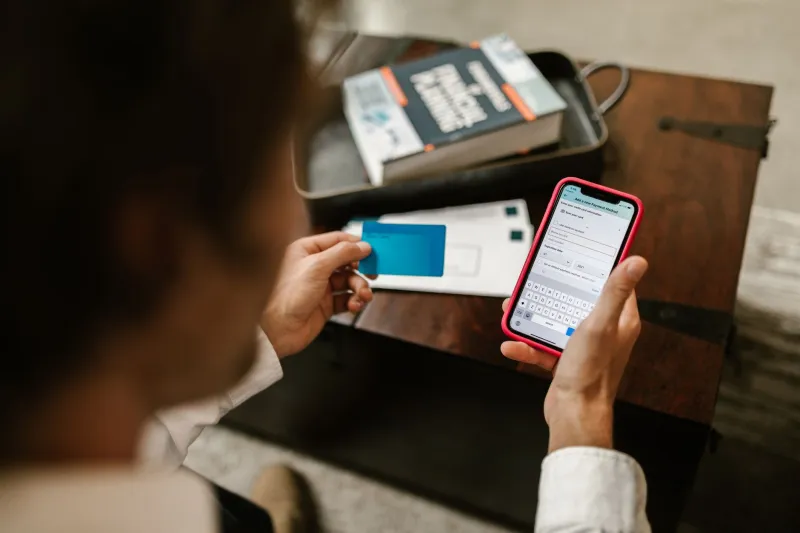
Remember when subscribing to a creator meant hitting a free button on YouTube and occasionally getting a notification? Those were simpler times. Now, following someone you enjoy online can mean navigating a tiered membership structure, a Patreon with six levels, a paid Discord, a premium newsletter, and an exclusive live stream series — all from the same person. And somehow, despite paying for all of it, you still feel weirdly far from the creator you love.
Welcome to subscription fatigue. It's real, it's growing, and in 2025, fans are starting to vote with their wallets in ways the creator economy wasn't quite prepared for.
How We Got Here
The paid access model made a lot of sense when it launched. Patreon, in particular, was positioned as a way for fans to directly support creators they loved — cutting out the middleman, bypassing the algorithm, creating a more sustainable income that didn't depend entirely on brand deals or ad revenue. That pitch was genuinely compelling. It still kind of is.
But somewhere between the promise of "support your favorite creator" and the reality of "pay $12.99/month for behind-the-scenes content that's basically a lower-quality version of their free stuff," something got lost. The subscription model scaled in ways that changed its character. What started as community support started looking a lot more like a product — and not always a great one.
Creators, advised by managers and monetization coaches, began adding tiers. Then more tiers. Then exclusive platforms. Then Discord servers with paid roles. The fan who genuinely wanted to support their favorite creator found themselves spending $40+ a month across multiple platforms just to feel like they had access to something real.
The Value Proposition Problem
Here's the core issue: "exclusive" content has a value problem. When a creator promises bonus videos, early access, or community interaction behind a paywall, there's an implicit promise that what's on the other side is worth the price. But the reality of what most paid tiers actually deliver is... not always that.
A lot of exclusive content is rushed, lower-effort, or genuinely just the overflow from a creator's regular workflow — stuff that didn't make the cut for the main channel. The Discord server promised as a "community space" often becomes a ghost town moderated by volunteers, with the creator barely present. The monthly Q&A that sounded exciting in the pitch has a waitlist of 3,000 questions and the creator answers eight of them.
Fans notice. They're not unsophisticated — they can tell when "exclusive access" is a revenue strategy versus a genuine offering. And in 2025, after years of being on the receiving end of this model, a growing number of them are deciding it's not worth it.
The Numbers Are Starting to Show It
You don't have to look hard to find creators quietly acknowledging that their membership numbers are down, their Patreon retention is rougher than it used to be, or that they're restructuring their paid offerings. The boom-era growth of the creator subscription economy is hitting the wall that most subscription businesses eventually hit: churn.
Churn — the rate at which subscribers cancel — is the metric nobody in the creator economy wants to talk about publicly. But it's the one that matters most. A creator might have 10,000 Patreon members, but if they're losing 2,000 a month and replacing them with 2,100, that's not a thriving community. That's a treadmill.
The broader subscription fatigue isn't unique to the creator economy — it's happening everywhere. Netflix, Spotify, Disney+, gym memberships — Americans are auditing their subscriptions at higher rates than ever and canceling what doesn't feel essential. Creator memberships, which are often the most emotionally-motivated subscriptions on the list, are getting scrutinized right alongside the streaming services.
What Fans Actually Want
If you ask fans what they'd want from a paid creator relationship — and people do ask this, in comment sections and Reddit threads and fan surveys — the answers are pretty consistent. They want to feel like the access is real. They want the creator to actually show up in the spaces they're paying to be in. They want content that couldn't exist without the support of paying members, not content that feels like it was produced on autopilot.
Mostly, they want to feel like their money means something beyond a transaction.
That's a harder thing to deliver than a bonus video, and it requires creators to genuinely invest in the relationship — not just the revenue stream. The creators who are holding their subscriber numbers in 2025 tend to be the ones who treat their paying fans like actual people rather than a recurring income line item.
Is This the End of the Paid Access Era?
Not exactly. But it is a correction — and honestly, maybe a necessary one.
The creator economy built itself on authenticity as a selling point. The whole appeal of online creators versus traditional celebrities was the closeness, the realness, the sense that you were watching an actual person rather than a produced persona. Subscription models, at their worst, have undermined that appeal by turning "access" into a product that still keeps you at arm's length.
The creators who'll come out of this moment strongest are the ones who rethink what paid community actually means — who scale back the tiers, simplify the offerings, and focus on genuine connection rather than maximum monetization. That's a smaller business model, but it's a more honest one.
And honestly? As a fan, I'm kind of here for it. I'd rather pay $5 a month for something real than $15 for a Discord server the creator logs into twice a year. The era of fans demanding better value for their support is long overdue — and it might just make the creator economy healthier in the long run.