When a Stranger's Silence Hits Different: The Very Real Grief of Losing a Creator You Never Actually Knew

That Empty Feeling When They Just... Stop Posting
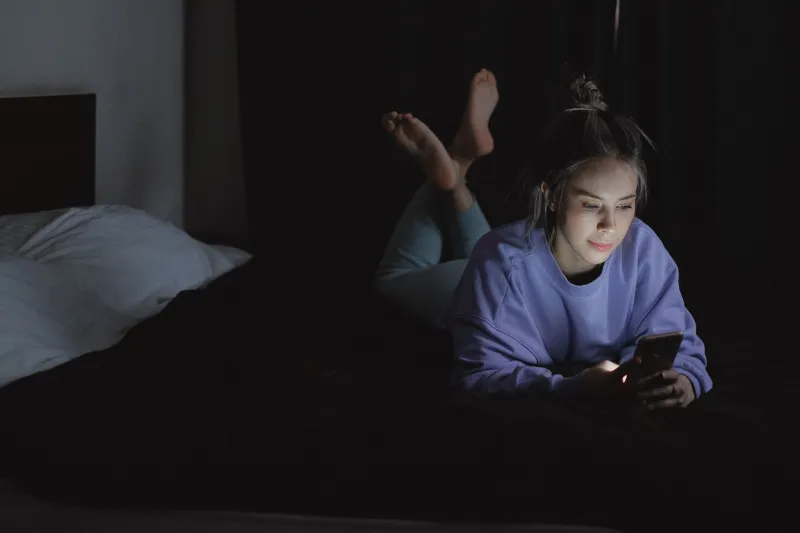
Okay, real talk. You open YouTube on a Sunday morning, coffee in hand, ready to settle into your usual routine — and their channel is just there, frozen in time. No new upload. No community post. No Story. Just silence. And somewhere in your chest, something actually hurts.
If you've been there, you already know the weird shame spiral that follows. Why am I upset? I don't even know this person. But here's the thing — that dismissal is doing you a disservice. What you're experiencing has a name, it has science behind it, and it says a whole lot more about the modern human condition than it does about your personal levels of "cringe."
Welcome to the parasocial breakup. Population: basically all of us.
The Relationship That Was Never Officially a Relationship
Parasocial relationships — the one-sided emotional bonds we form with public figures, characters, and creators — aren't new. Psychologists Donald Horton and Richard Wohl first wrote about the concept back in 1956, describing how early TV audiences felt genuine intimacy with talk show hosts. But what's happening now? It's that phenomenon cranked up to an almost absurd volume.
Modern content creators don't just wave at you through a screen once a week. They are in your life. They're in your earbuds during your morning commute. They're narrating your skincare routine at 11pm. They're the voice you hear when you're anxious, bored, heartbroken, or just need to feel like someone else is in the room. Over months and years, your brain — which is honestly not great at distinguishing "real" intimacy from "simulated" intimacy — starts filing them under people I know.
So when they disappear? Your brain processes it accordingly. Like an actual loss.
Why the Grief Feels So Specific (and So Confusing)
Here's where it gets psychologically interesting. The grief from a parasocial breakup isn't quite like losing a friend, but it's not nothing either. Researchers have compared it to the feeling of a long-running TV show ending — except messier, because this wasn't a fictional character. This was someone who looked into a camera and said you guys are literally my family and meant it, or at least made you believe they did.
Dr. Pamela Rutledge, director of the Media Psychology Research Center, has talked extensively about how these relationships fulfill genuine psychological needs — belonging, routine, emotional mirroring. When a creator vanishes (especially without explanation), you're not just losing content. You're losing a ritual. A source of comfort. A voice that helped you feel less alone on a Tuesday afternoon when everything felt heavy.
And unlike a human friend who drifts away, there's no closure conversation. No goodbye text. Just... a profile that stops updating. That ambiguity? It makes the grief harder to process, not easier.
The Loneliness Angle Nobody Wants to Talk About
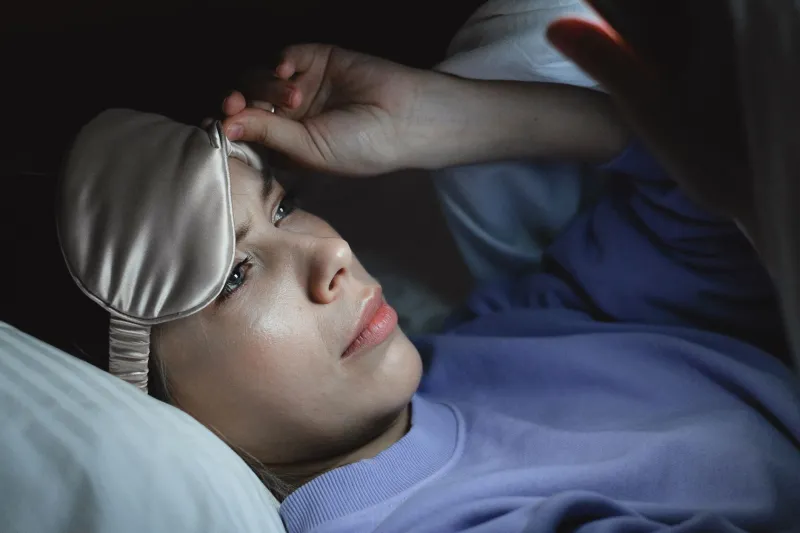
Let's be honest about something. The reason parasocial relationships hit so hard in America right now isn't just about algorithms or content strategy. It's about the fact that a lot of us are genuinely, quietly lonely.
Studies from the past several years — accelerated by pandemic data — consistently show that Americans are reporting fewer close friendships, less community connection, and more time spent consuming media in isolation. We're not broken for leaning on a creator's presence to fill some of that space. We're human beings doing what human beings do: seeking connection wherever we can find it.
Creators, often intentionally, build spaces that feel like community. The comment section becomes a gathering place. The inside jokes become shared language. The creator's struggles become something you root through with them. That's not delusion — that's the product working exactly as designed.
Which is why the loss, when it comes, lands with such unexpected weight.
Different Exits, Different Kinds of Hurt
Not all creator disappearances hit the same way, and it's worth naming the different flavors of this grief.
The Hiatus — They announce they're stepping back for mental health or burnout. This one usually comes with some warning, and there's often hope of return. The grief here is more like a long-distance goodbye. You miss them, but you're rooting for them.
The Cancellation — Someone you trusted gets called out, and the image you had of them cracks or shatters entirely. This one is its own complicated beast — it's grief and betrayal simultaneously, sometimes followed by guilt for having cared so much in the first place.
The Ghost — No explanation. No farewell video. They just stop. The channel sits there like an abandoned house. This might be the hardest one because your brain keeps waiting for an update that never comes.
The Pivot — They don't leave, but they change. The creator you fell in love with becomes someone unrecognizable, and you have to grieve the version of them that no longer exists even while they keep posting.
Each of these triggers something real. Naming which one you're experiencing can actually help.
So What Do You Do With It?
First, you stop being embarrassed about it. Seriously. The fact that you formed an attachment to someone whose content genuinely enriched your life is not a character flaw. It's evidence that you're a person capable of connection — which, in 2025, is not something to take lightly.
Second, you let yourself feel it without wallowing in it. Give the grief its moment. Journal about it if that's your thing. Talk to a friend who gets it (and if they don't get it, maybe send them this article). Then gently redirect that emotional energy toward the people and communities in your actual life who can give you something back.
Third — and this one's a little uncomfortable — take it as information. If losing a content creator genuinely shakes you, that might be your inner self flagging that some of your connection needs aren't being met elsewhere. Not a judgment. Just data worth sitting with.
The Bigger Picture
At the end of the day, mourning a creator you've never met isn't weird. It's a very human response to a very modern situation. We built these digital spaces, we filled them with real emotion and real time and real pieces of ourselves, and sometimes those spaces go dark.
The grief is real because the connection — even if it only flowed one way — was real too. And understanding that is the first step toward giving yourself the grace you probably wouldn't think twice about extending to someone else.
You're allowed to miss them. You're also allowed to keep going.