When the Feed Goes Quiet: The Strange Grief of Losing a Creator to the Algorithm
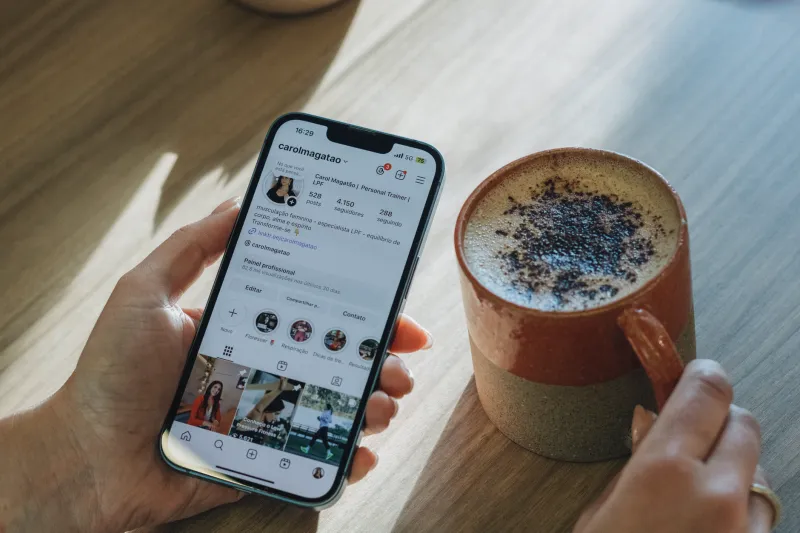
Here's a scenario that probably sounds embarrassingly familiar: You open TikTok (or Instagram, or YouTube — pick your poison) and realize you haven't seen a post from that one creator in what feels like forever. The person whose morning routine you've watched seventeen times. The one whose commentary videos you put on while you fold laundry. The one you've never met, will probably never meet, and yet — their absence from your feed feels weirdly personal.
So you go searching. You find their profile. They're still posting. Frequently, even. The algorithm just... stopped showing you. And somehow that's almost worse.
Welcome to one of the stranger emotional experiences of the digital age: the parasocial disruption nobody warned us about.
It's Not Just About Missing Content
Let's be honest about what's actually happening here. When a creator disappears from your feed, it's rarely about the content itself. It's about routine. Parasocial relationships — those one-sided emotional bonds we form with public figures — are built on consistency. You watch someone's videos every Thursday. You catch their Instagram Stories while you're waiting for your coffee. You know their dog's name, their sister's drama, their opinion on every single reality TV show currently airing.
That consistency becomes a rhythm. And when the algorithm quietly severs that rhythm without notice or explanation, your brain doesn't immediately register "oh, a platform changed its distribution logic." It registers something closer to: they're gone.
Psychologists have noted for years that the brain processes parasocial relationships using many of the same neural pathways as real ones. Which means the disruption of those relationships — even when the cause is purely technical — can trigger a genuine stress response. Mild, sure. But real.
The Algorithm as Invisible Third Party
Here's the part that makes this particular kind of loss so uniquely frustrating: there's no one to be angry at. Or rather, the thing you're angry at is an invisible, faceless system that doesn't care about your feelings in the slightest.
When a creator ghosts their audience, at least there's a narrative. A story to process, a reason to speculate about, a comment section to commiserate in. But an algorithm shift? A shadow ban? A platform quietly deprioritizing a certain type of content? That's grief with no object. Closure with no conversation.
And platforms are not exactly forthcoming about when or why this happens. TikTok's algorithm is famously opaque. Instagram has changed its feed logic so many times that even creators with millions of followers sometimes find themselves shouting into the void. YouTube's recommendation engine has made and broken careers with what feels like total randomness. The system is enormous, impersonal, and completely indifferent to the emotional ecosystems it disrupts.
For the fans on the other end of that disruption, it can feel like being quietly phased out of someone's life — even though you were never technically in their life to begin with.
Shadow Banning and the Conspiracy Brain
There's a specific flavor of this experience that deserves its own mention: the shadow ban spiral. You notice a creator's engagement has tanked. Their videos aren't showing up on your For You page anymore. Their posts are getting a fraction of the usual comments. And so begins the fan detective work — scrolling through their profile, checking comment sections, sliding into Discord servers to ask if anyone else has noticed.
Creators themselves often fuel this spiral, posting about being "suppressed" or "censored" in ways that feel deeply personal even when they're almost certainly algorithmic. And look, sometimes there is something shady going on — platforms have been caught quietly limiting reach for certain types of content. But more often, it's just the machine doing machine things.
The problem is that "the machine did a thing" is an unsatisfying explanation for what feels like an emotional event. So we reach for more dramatic interpretations. And the parasocial bond, which was already blurring the line between real and imagined closeness, gets even more tangled up in conspiracy thinking.
Is the Anxiety Justified? Or Is It a Sign?
Okay, real talk — and I say this as someone who has absolutely panicked over a favorite creator's sudden absence from my feed — the anxiety is understandable, but it's also worth examining.
Feeling a mild "huh, where'd they go?" is pretty normal at this point. We're all embedded in digital routines that involve parasocial relationships, and when those routines get disrupted, of course there's a response. That's just how humans work.
But if you find yourself genuinely distressed — like, more than a passing "that's weird" — it might be worth asking what need this person's content was meeting for you. Was it connection? Entertainment? A sense of community? Those are all valid needs, but they're also needs that probably shouldn't rest entirely on a single creator's algorithmic fortunes.
The healthiest thing you can do — and I know this is easier said than done — is diversify. Not just your content consumption, but your sources of the feelings that content was giving you. If a creator's videos were your main source of feeling seen, or entertained, or part of something, that's a lot of emotional weight to place on someone who doesn't know you exist and whose reach is controlled by a server farm in California.
The Platform's Role in All of This
It's also worth holding platforms accountable for the emotional chaos they help create. These companies have spent years optimizing for engagement, deliberately building products that are sticky and habit-forming. They've made it easy — even pleasurable — to develop intense routines around specific creators. And then, without warning or explanation, they can restructure the entire experience with a single algorithm update.
That's not a neutral act. When a platform conditions you to build your morning around certain content and then quietly pulls the rug out, the resulting disorientation isn't a personal failing. It's a predictable outcome of a system designed to maximize your time on the app, not your emotional wellbeing.
None of this means you should feel great about being anxious over a creator's missing posts. But it does mean the feeling makes sense in context.
Finding Your Own Signal in the Noise
If there's a practical takeaway here, it's this: follow creators directly, not algorithmically. Subscribe on YouTube so their videos actually show up. Turn on post notifications if you care that much. Follow them on a platform they actually own, like a newsletter or a Substack, where no algorithm stands between you and their content.
And maybe — just maybe — let yourself sit with the discomfort of a quiet feed for a minute before spiraling. Sometimes the algorithm is just doing its weird, inscrutable thing. Sometimes the creator is fine. Sometimes the absence is actually an invitation to find something new.
The feed will change again. It always does. And you'll probably find someone new to watch while you fold laundry.
That's just how this works now.