You Subscribed, Not Signed a Contract: The Uncomfortable Truth About What Creators Actually Owe You

The Button We Press Without Reading the Fine Print
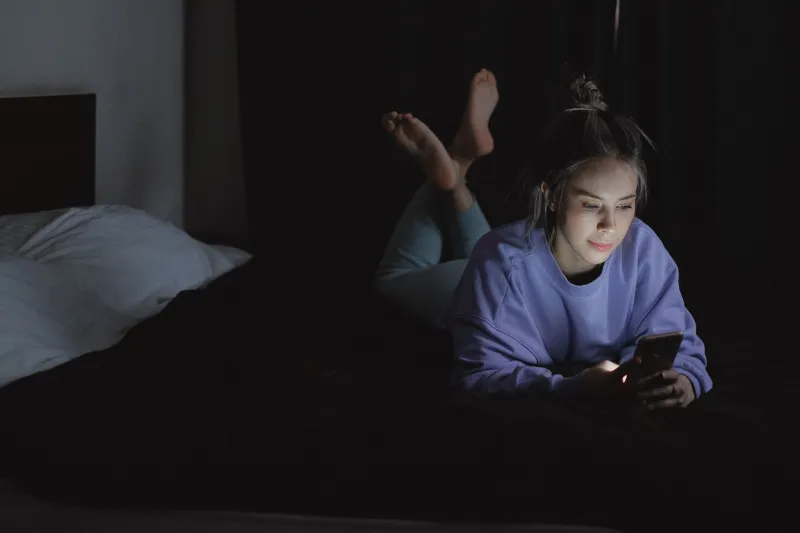
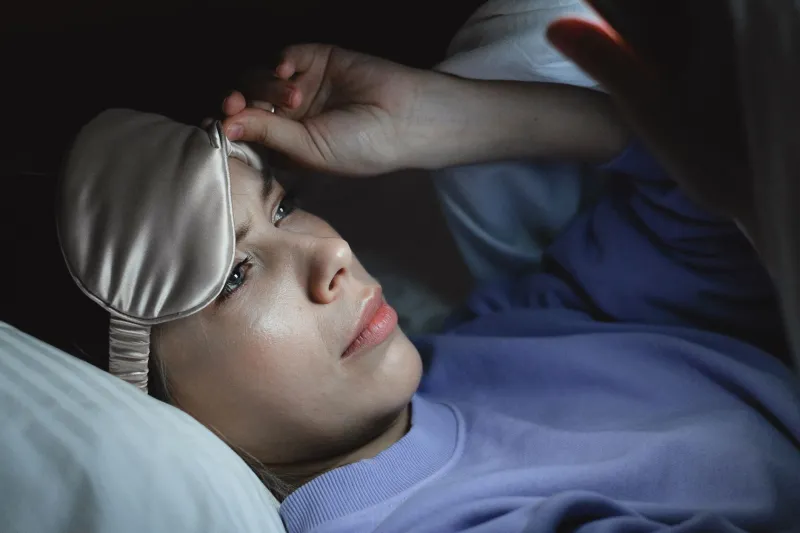
Here's a thing nobody tells you when you start watching someone on YouTube or obsessively following their TikTok series at midnight: you are entering into a relationship that only one of you knows about. You learn their coffee order, their childhood trauma, the name of their dog, and the specific tone of voice they use when they're pretending they're fine. They learn absolutely nothing about you.
And somehow, somewhere along the way, that stops feeling weird and starts feeling... normal.
This is the quiet, slightly uncomfortable reality sitting at the center of modern fandom. We subscribe, we watch, we donate, we defend these people on the internet to strangers who couldn't care less — and the whole time, the creator is operating under zero obligation to give us anything back. Not a heads-up when they're going on hiatus. Not an explanation when their content changes. Not an apology when they disappoint us.
Nothing. Legally, emotionally, professionally — nothing.
And yet when they don't deliver, it wrecks us.
What the Psychology People Call This (And Why It Matters)
Psychologists have had a name for this dynamic since the 1950s — parasocial relationships. The term was coined to describe the one-sided bonds people form with media figures, where one party invests emotionally and the other remains completely unaware. Originally it was about TV personalities and radio hosts. Now it's about the girl who posts her morning routine every day at 7 a.m. and somehow feels like your best friend.
What makes the creator economy version of this so uniquely intense is the intimacy of the format. Traditional celebrities were always at a distance — red carpets, publicists, polished interviews. Creators, on the other hand, film themselves crying in their cars. They show you their apartments before they clean them. They talk directly into a camera lens like they're talking directly to you, because in a very literal sense, they are.
That directness hacks something in our brains. The same neural pathways that activate during real friendships light up when we're watching someone we've followed for three years talk about their anxiety. Our bodies don't fully distinguish between "person I actually know" and "person whose Spotify playlist I've been streaming for six months."
So when something goes wrong — when they go quiet, pivot their content, or turn out to be not who we thought — the emotional response isn't irrational. It's just deeply, awkwardly mismatched to the actual relationship.
The Invisible Contract We All Sign
Here's where it gets tricky. Even though no formal agreement exists, we operate as if one does. We tell ourselves things like: They post every Tuesday. That's a promise. Or: They built their whole brand on being authentic — they owe me that honesty. Or the big one: I've supported them for years. I've earned some loyalty.
None of that is technically true, but it feels true because of something called a psychological contract — an unspoken set of expectations that forms naturally in any relationship, real or imagined. In a normal friendship, these contracts are mutual. You both have expectations. You both have obligations. When someone breaks the contract, both people feel the sting.
In a parasocial relationship, the contract only exists on one side. The creator never agreed to the terms because they never even saw the terms. They were just making content. You were the one building a whole emotional framework around it.
This isn't a character flaw. It's just how humans work. We are wired to form attachments, to build narratives around the people in our lives, to expect consistency from those we care about. The problem is that our brains are running ancient social software in a very new digital world.
When the Illusion Cracks
Most of us have had the moment. The creator you've watched for years suddenly posts something that feels off, or they disappear without explanation, or drama surfaces that reframes everything you thought you knew about them. And the reaction catches you off guard — it's sharper than it should be for someone you've never actually met.
Maybe you feel betrayed. Maybe you feel embarrassed for feeling betrayed. Maybe you spiral into a weird grief that you can't explain to your friends without sounding unhinged.
All of that is valid, by the way. The feelings are real even if the relationship isn't symmetrical. What's worth examining, though, is the expectation underneath the feeling — the assumption that they owed you something they never agreed to provide.
Creators are people doing a job. Some of them are also genuinely trying to connect, and that part is real. But the job part is also real. They are building brands, managing businesses, navigating burnout, dealing with their own lives. The version of them that exists in your head — the one who feels like a friend — is a curated performance, even when it's an honest one. The most authentic creator in the world is still only showing you what they choose to show you.
So What Do We Do With This?
Here's the thing — recognizing the imbalance doesn't have to ruin anything. You don't have to stop watching. You don't have to stop caring. You just might want to recalibrate where you're placing your emotional investment.
There's a difference between enjoying someone's content and building your sense of community entirely around them. One is a perfectly healthy form of entertainment. The other puts a lot of pressure on a relationship that only exists in one direction.
Some questions worth sitting with: Are you watching this person because they bring you genuine joy, or because you've confused familiarity with friendship? If they stopped posting tomorrow, would you be disappointed the way you'd miss a show — or devastated the way you'd miss a person?
Neither answer makes you broken. But the second one might be a signal that it's worth diversifying where you're finding connection.
And for what it's worth — the creators you love probably do appreciate you, in the aggregate. They just don't know you specifically. Which is strange and a little sad and also just... the deal. The unwritten, unsigned, entirely one-sided deal we all agreed to the moment we pressed play.